

When Mining Gets Too Loud
If you’ve ever run crypto mining hardware at home, you probably know the moment I’m talking about.
The fans spin up.
The room fills with the sound of air rushing through metal.
And suddenly the house sounds like a small data center.
At first, you might think: It’s not that bad.
But if you live in an apartment, townhouse, or even a quiet residential neighborhood, things escalate quickly.
Doors close harder than usual.
Neighbors start asking questions.
Someone eventually says the words every home miner dreads:
“What is that noise coming from your room?”
From my experience after more than five years working with crypto mining hardware, noise is one of the biggest barriers to home mining. Not electricity. Not hardware costs.
Noise.
This is the story of how my mining setup went from generating complaints to actually earning compliments from neighbors. And the surprising lesson I learned about mining environments along the way.
The Reality of Crypto Mining Hardware at Home
Let’s be honest about something.
Most crypto mining hardware, especially ASIC miners, is built for industrial environments, not residential ones.
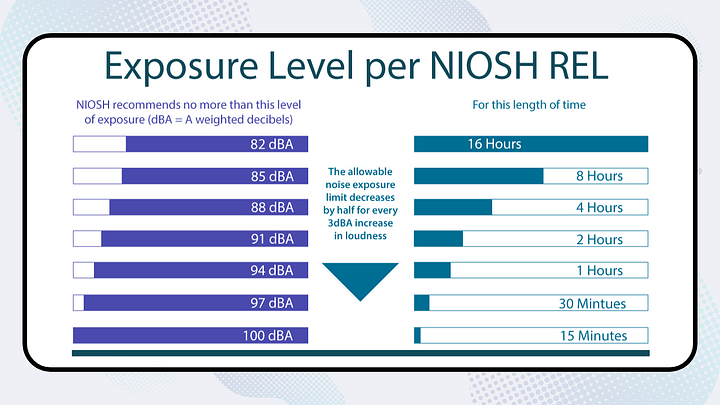
Typical ASIC noise levels range between:
- 75 dB to 95 dB
That’s roughly equivalent to:
- A vacuum cleaner
- Heavy traffic
- A running lawn mower
And unlike a vacuum cleaner, ASIC miners run 24 hours a day.
When I first started mining at home, I underestimated how quickly that sound could become unbearable to the people around me.
The First Complaint 🔊
The first time a neighbor mentioned the noise, I thought it was a one-off comment.
“Hey, do you have some kind of fan running all night?”
Technically, yes.
Two high-performance ASICs were mining away inside a spare room.
At the time, my mindset was purely technical. I cared about:
- Hashrate
- Power efficiency
- Mining profitability
But I wasn’t thinking about something equally important:
How crypto mining hardware interacts with a living environment.
Why Mining Noise Travels So Easily
One of the things most miners don’t realize is that noise behaves differently indoors.
Crypto mining hardware produces three main types of sound:
1. High-Frequency Fan Noise
This is the sharp “jet engine” sound that comes from high-speed cooling fans.
2. Structural Vibration
ASIC miners vibrate slightly as their fans spin. That vibration travels through desks, floors, and walls.
3. Reflected Sound
Sound waves bounce off walls and ceilings, amplifying the noise in enclosed spaces.
Together, these factors make mining noise much worse inside homes than in open warehouses.
My First Attempt at Fixing the Problem
Like most miners, my first solutions were DIY.
I tried:
- Moving the miner farther away
- Adding foam panels to the wall
- Closing the room door
- Running additional fans
None of it worked long-term.
In fact, some of these solutions made things worse by trapping heat and forcing the miner fans to spin even faster.
Which meant even more noise.
The Turning Point: Understanding Environment Design
After doing some research and testing different setups, I realized something important:
Mining success isn’t just about hardware.
It’s about environment design.
A well-designed mining environment manages three things at the same time:
- Noise
- Airflow
- Temperature
If one of these fails, the others quickly follow.
This is when I started looking into dedicated noise-reduction enclosures for crypto mining hardware.
What Is a MinerBox? 🔇
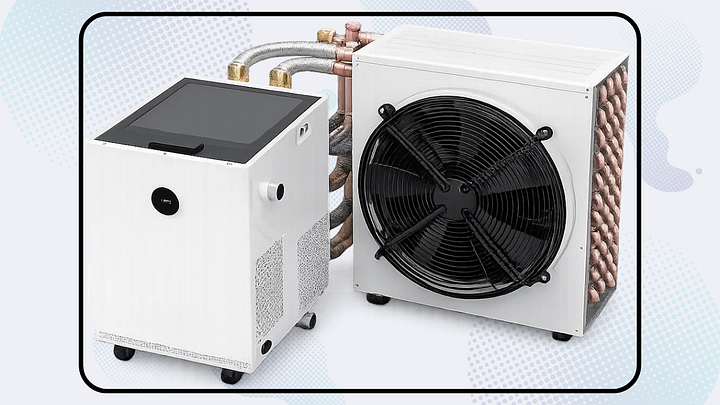
A MinerBox is essentially a sound-dampening enclosure designed specifically for ASIC miners.
But it’s not just a box.
A well-designed MinerBox balances several factors:
- Multi-layer soundproofing materials
- Directed airflow paths
- Vibration isolation
- Thermal stability
Instead of eliminating fans (like immersion cooling), it optimizes how they behave.
If you want to see how these enclosures are built for real-world setups, you can explore them here:
The Setup That Changed Everything
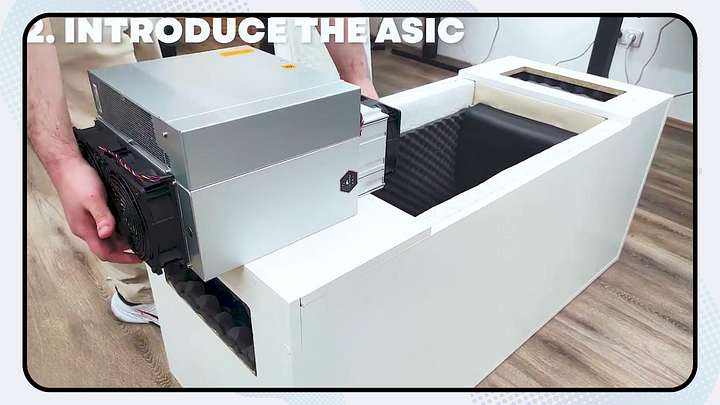
When I installed my first MinerBox, the difference was immediate.
Before the upgrade:
- High-pitched fan noise filled the room
- Vibrations traveled through the floor
- The sound carried into the hallway
After installing the enclosure:
- The pitch dropped dramatically
- Noise became a low, steady hum
- Vibration nearly disappeared
Instead of sounding like a jet engine, the miner sounded closer to a desktop computer under load.
The Neighbor Test

The real test wasn’t my opinion.
It was my neighbors.
A few days after installing the enclosure, one of them asked me something unexpected:
“Did you turn that machine off?”
I smiled.
“No, it’s still running.”
They couldn’t believe it.
The noise that had once traveled through the walls was now barely noticeable outside the room.
Over time, the conversation shifted from complaints to curiosity.
Neighbors started asking questions about mining instead of asking me to turn it off.
Why Noise Reduction Protects Your ROI 💰
Most miners think of noise reduction as a comfort feature.
But from my experience, it also protects the long-term performance of crypto mining hardware.
Here’s why.
When miners run in uncontrolled environments:
- Fans spin at maximum RPM
- Vibration increases
- Temperatures fluctuate
These factors lead to:
- Faster fan wear
- Thermal throttling
- Reduced hardware lifespan
By stabilizing airflow and reducing turbulence, enclosures help miners run more efficiently over time.
Which directly impacts profitability.
Mining Comfort Is an Underrated Advantage
One of the most surprising things I noticed after quieting my setup was how my own attitude toward mining changed.
Before:
- I constantly monitored temperatures
- I worried about complaints
- I sometimes turned machines off overnight
After optimizing the environment:
- Mining felt normal
- I left the hardware running confidently
- The room felt calm instead of chaotic
Comfort is rarely discussed in mining forums, but it makes a huge difference in long-term sustainability.
Why Everyday Miners Need Practical Solutions
Not everyone runs a warehouse-scale mining operation.
Many miners today operate:
- One or two ASICs
- In apartments
- In garages
- In small home offices
For these setups, industrial solutions like immersion cooling can be expensive and complex.
Noise-reduction enclosures provide a more approachable solution.
They allow everyday miners to run crypto mining hardware responsibly in residential environments.
Lessons I Learned From the Experience
Looking back, a few key lessons stand out.
1. Noise Matters More Than You Think
Ignoring noise early can lead to bigger problems later.
2. Environment Design Is Critical
Hardware performance depends heavily on airflow and temperature stability.
3. Quiet Mining Is Sustainable Mining
If your setup fits your lifestyle, you’re far more likely to stick with it long-term.
Final Thoughts: Turning Complaints Into Curiosity
Crypto mining hardware will probably never be completely silent.
But with the right setup, it doesn’t have to disrupt your home or your neighborhood.
From my experience, once noise is under control:
- Mining becomes easier
- Relationships with neighbors improve
- The entire process feels more sustainable
My neighbors went from complaining about a mysterious “fan noise” to asking how crypto mining works.
And that small shift reminded me of something important.
Sometimes the biggest upgrades in mining aren’t about more power.
They’re about better design.
Happy quiet mining 🔇⚡
🔗 Stay Connected
🎥 YouTube
📱 TikTok